

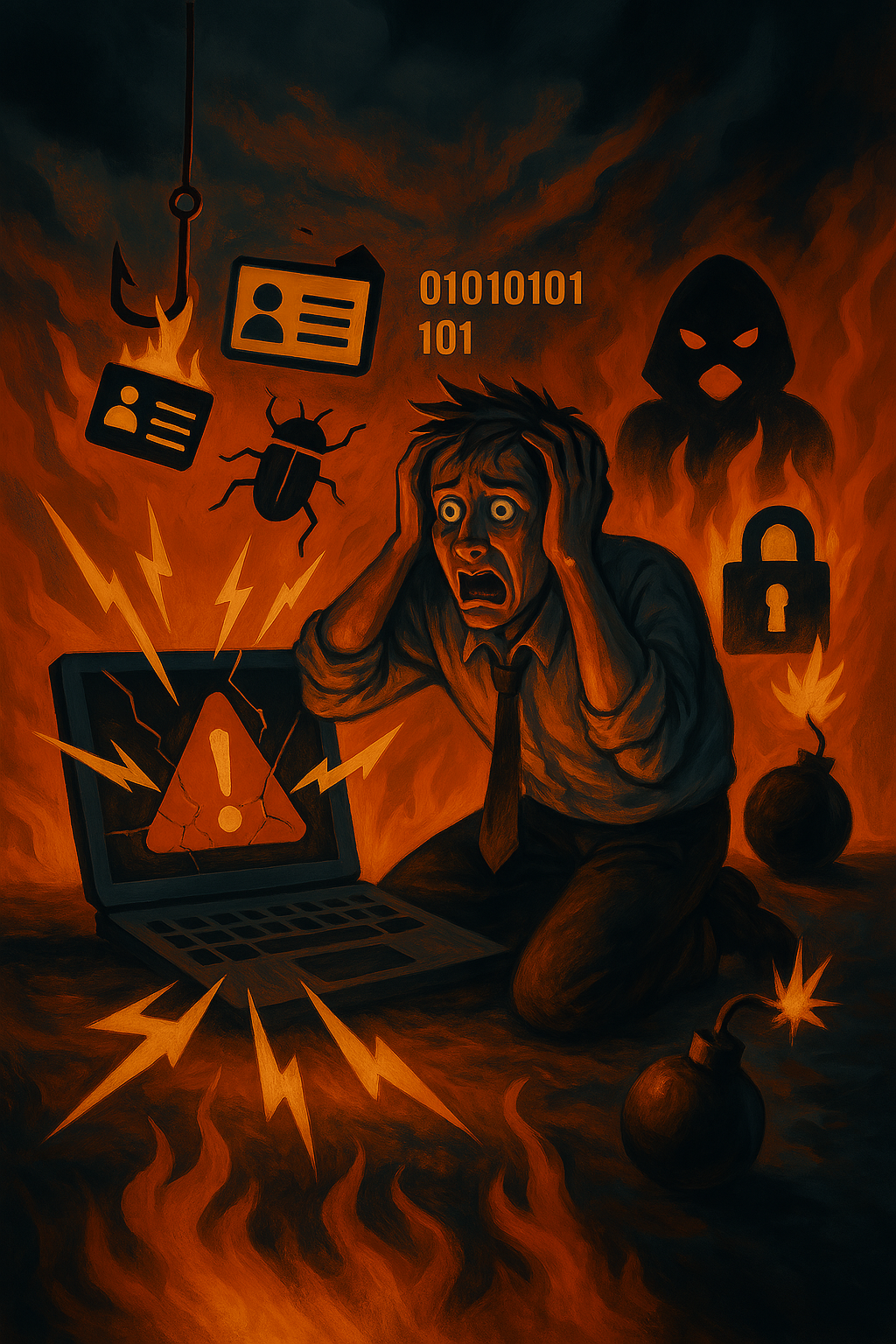
In a world where our lives are increasingly entwined with technology, IT security isn’t just a corporate concern—it’s a personal one. Whether you’re streaming from your smart fridge or managing sensitive emails from your laptop, every digital footprint is a potential entry point for cyber threats.
🚨 Why IT Security Matters
The surge in cybercrime—from phishing scams to ransomware attacks—has shown that no one is immune. Individuals, small businesses, and major corporations alike face risks that can result in data theft, financial loss, or identity compromise.
🔐 Core Concepts of IT Security
Understanding the key pillars of IT security helps build strong defenses:
- Confidentiality: Protecting sensitive information from unauthorized access.
- Integrity: Ensuring data remains accurate and unaltered.
- Availability: Keeping systems and data accessible when needed.
🧰 Practical Steps to Stay Safe
Here’s how you can guard your digital realm effectively:
💻 1. Strengthen Your Password Game
- Use complex passwords with a mix of letters, numbers, and symbols.
- Avoid using the same password across multiple platforms.
- Enable multi-factor authentication (MFA) wherever possible.
📧 2. Stay Alert to Phishing
- Don’t click on suspicious email links or attachments.
- Check email addresses carefully—they often mimic legitimate sources.
- If in doubt, contact the sender through a trusted channel.
🖥️ 3. Keep Software Updated
- Install updates promptly for operating systems, apps, and antivirus tools.
- Updates often patch vulnerabilities that attackers exploit.
🌐 4. Use Secure Networks
- Avoid public Wi-Fi for transactions or sensitive tasks.
- Consider using a trusted VPN when accessing data remotely.
🗑️ 5. Back Up Your Data
- Use cloud storage or external drives.
- Regular backups help you recover quickly from attacks or system failures.
🧠 6. Educate Yourself and Others
- Stay informed about new threats and security practices.
- Promote a culture of caution and vigilance in your personal and professional circles.
🔍 Bonus Tips for Businesses
If you’re running a company—even a small one—consider these additions:
- Conduct regular security audits.
- Implement access controls to restrict data exposure.
- Train employees on cybersecurity protocols and incident response.
Protecting yourself online isn’t about paranoia—it’s about preparedness. Taking a proactive stance on IT security empowers you to enjoy the digital world without fear.